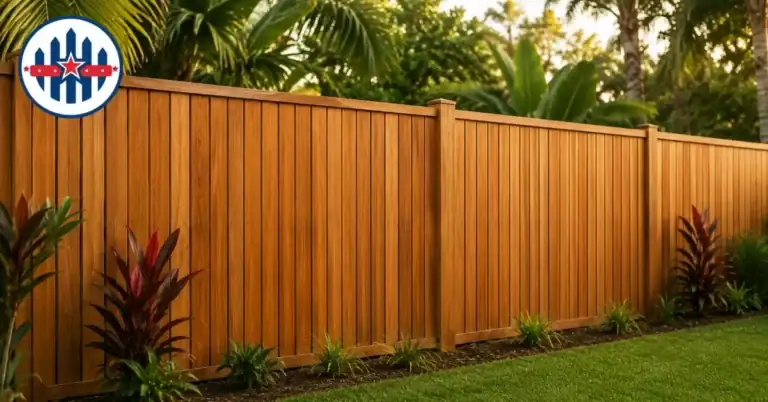
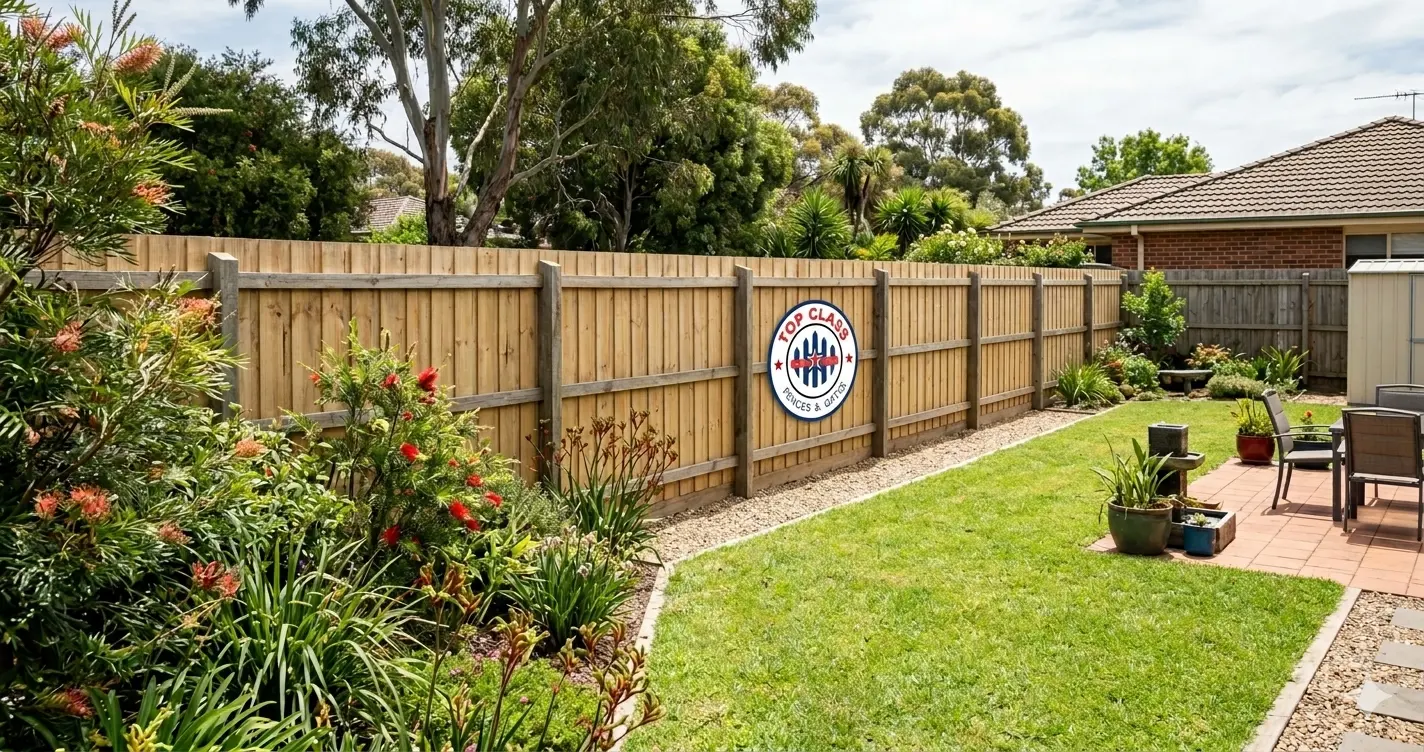
Timber fencing costs between $58 and $190 per linear metre in Australia (2026). A treated pine paling fence runs $75–$120 per metre installed, hardwood $100–$190/m, and a picket fence $58–$105/m. For a typical 30-metre boundary fence, budget $2,250–$4,500 installed — or skip the labour cost entirely by buying your timber supply-only. Prices vary with timber type, fence height, site conditions, and whether you go DIY or hire a tradie. In this guide, we break down real timber fencing costs across Australia, what drives those prices up or down, and how to get the most value from your fencing budget.
In this guide, we break down real timber fencing costs across Australia, what drives those prices up or down, and how to get the most value from your fencing budget.
Timber Fencing Cost Per Metre in Australia
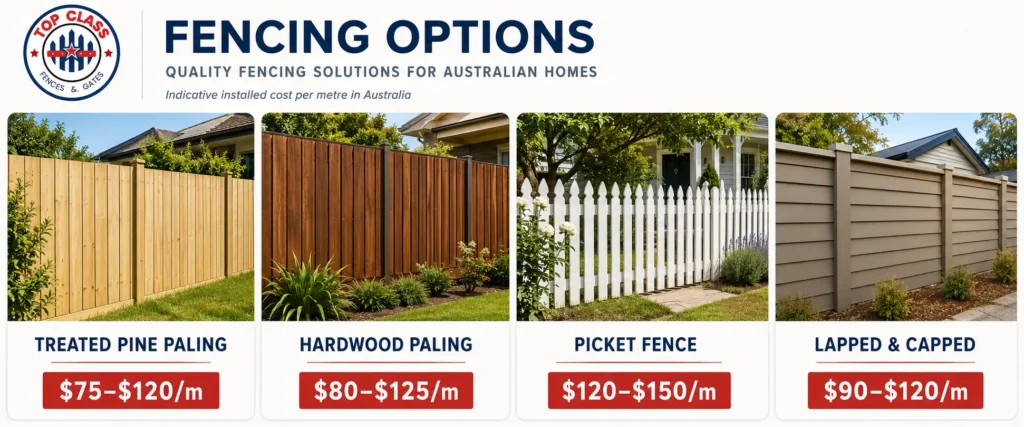
As a general rule, timber fencing in Australia costs between $75 and $190 per linear metre for supply and installation, depending on the timber species, fence height, and your location. Here’s how the most common timber fence types compare:
| Fence Type | Cost Per Metre (Installed) |
|---|---|
| Treated pine paling fence | $75 – $120/m |
| Hardwood paling fence | $100 – $190/m |
| Picket fence (treated pine) | $58 – $105/m |
| Lapped and capped privacy fence | $120 – $180/m |
These ranges include both materials and standard installation on a flat, accessible site. Costs can increase significantly for sloping blocks, difficult access, or extra features like gates.
Brisbane & Queensland note: Queensland’s subtropical climate means termite resistance and moisture tolerance are especially important. H3 and H4 treated timber is essential — and it’s what we stock at Top Class Fences.
Total Project Cost: What to Expect
For a typical residential boundary fence, here’s a rough idea of what you’ll spend based on run length:
| Fence Length | Treated Pine (est.) | Hardwood (est.) |
|---|---|---|
| 10 metres | $750 – $1,200 | $1,000 – $1,900 |
| 20 metres | $1,500 – $2,400 | $2,000 – $3,800 |
| 30 metres | $2,250 – $3,600 | $3,000 – $5,700 |
| 50 metres | $3,750 – $6,000 | $5,000 – $9,500 |
These are estimates for installed fences on flat sites. A 30-metre boundary fence is the most common residential job, and most homeowners should budget $2,250 to $4,500 for a quality timber fence at that length.
What Affects the Cost of Timber Fencing?
1. Timber Species and Treatment Level
The biggest cost driver is the timber you choose. Treated pine is the most affordable and widely available option in Australia, while hardwood costs more upfront but offers greater natural durability and a premium finish.
Both types must be correctly treated for their application:
- H3 treated timber — for above-ground use (palings, rails). Resists rot and insect damage when exposed to weather.
- H4 treated timber — for in-ground use (fence posts). Essential where timber contacts soil.
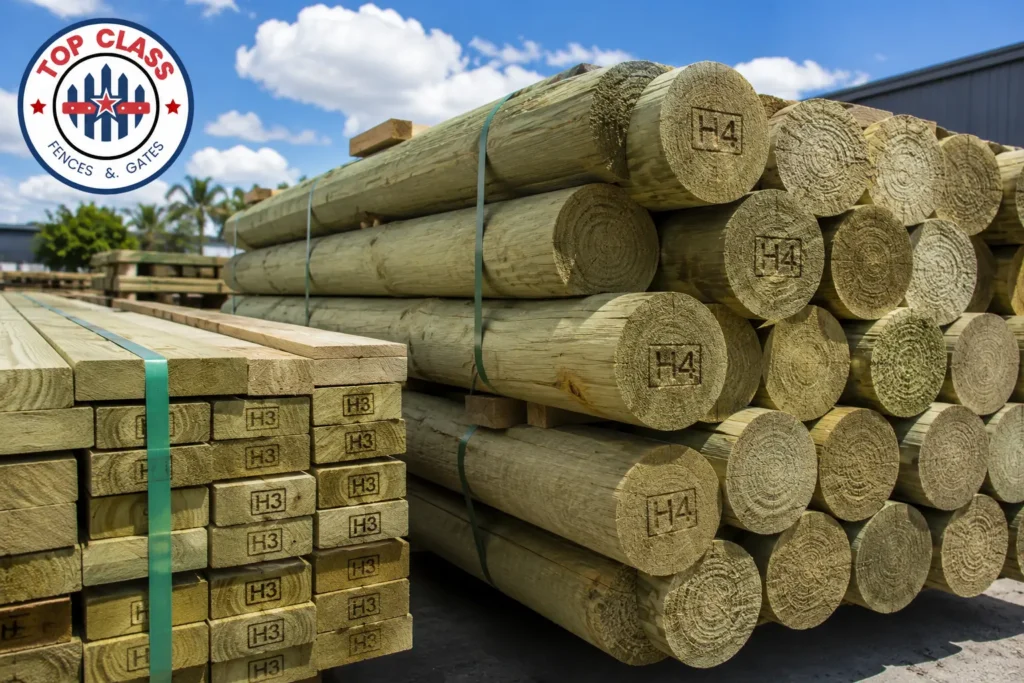
Using the wrong treatment level is one of the most common reasons timber fences fail early. All timber at Top Class Fences is clearly labelled by treatment class so you always get the right product.
2. Fence Height
Standard residential privacy fences are 1.8 metres high. Going taller — say 2.1m — increases materials and labour costs by 10–20%. Shorter fences like picket styles (0.9m–1.2m) cost considerably less per metre.
3. Site Conditions
Flat blocks with clear access are the cheapest to fence. Costs rise with:
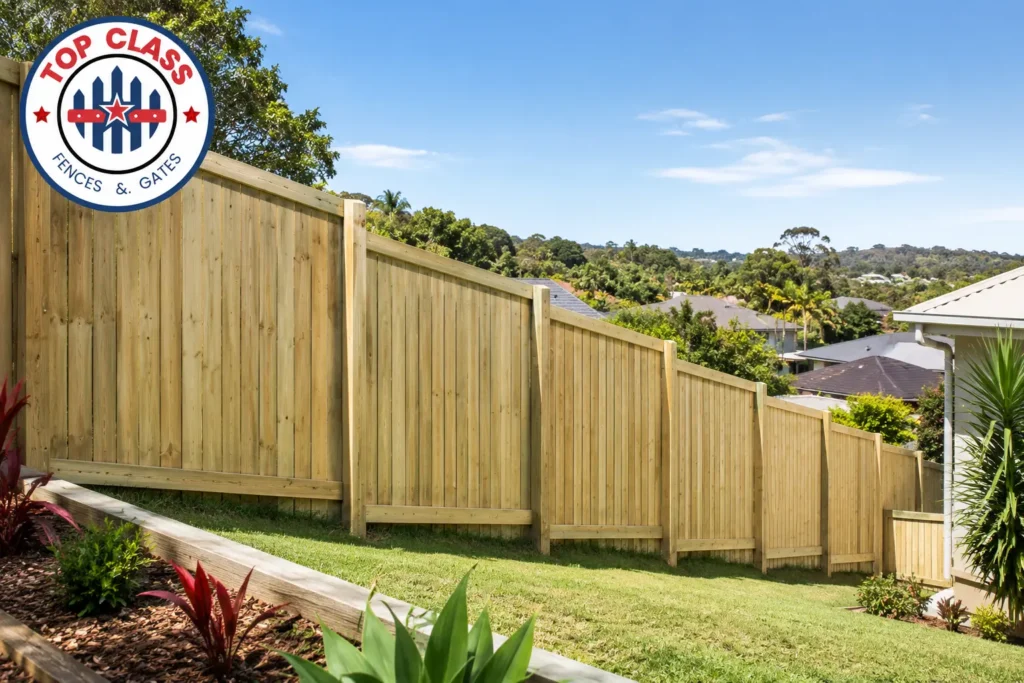
- Sloping land — rails need to be stepped or raked to follow the grade, adding labour time
- Rocky or clay-heavy soil — post holes take longer to dig
- Tight access — if machinery can’t reach the fence line, everything is done by hand
4. Removal of an Existing Fence
If you’re replacing an old fence, factor in removal and disposal costs. Removing timber fencing typically adds $10 to $30 per metre, and concrete footing removal can add more depending on depth and soil type.
5. Gates and Extras
A standard single timber gate adds $300–$600 to the project. Double gates or automated gate systems cost considerably more. Other add-ons like post caps, decorative trims, and lattice panels will also bump up the final price.
6. Labour Rates
Fencing contractors across Australia generally charge $31 to $50 per hour for labour. However, most quote per-metre pricing for standard fence runs rather than an hourly rate. Always get at least two or three quotes and make sure they include removal, disposal, footings, and finishing.
DIY vs Hiring a Tradie: Which Works Out Cheaper?
Going DIY can save you 40–60% on the labour component of your fence — which is significant on a 30-metre run. However, there are real risks to factor in:
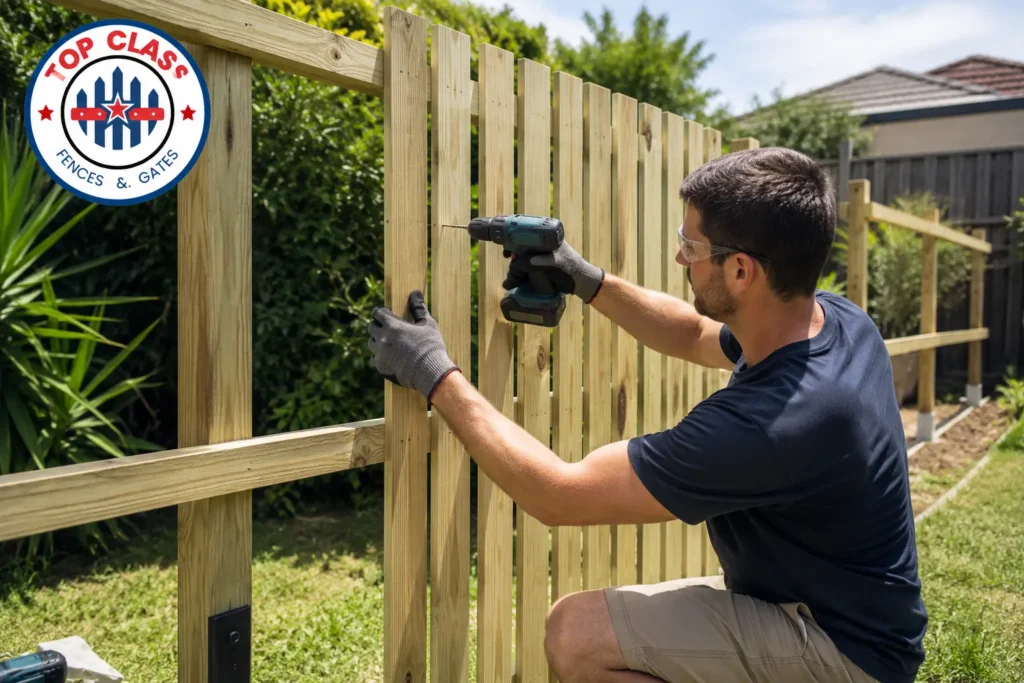
DIY makes sense if:
- You’re experienced with basic carpentry and post-setting
- Your block is flat with clear access
- You’re comfortable setting posts in concrete correctly
Hire a tradie if:
- Your block is sloping or has difficult soil
- You need council approval or boundary surveys
- You’re not confident with structural fencing work — a poorly set post can cause the whole fence to lean within a year
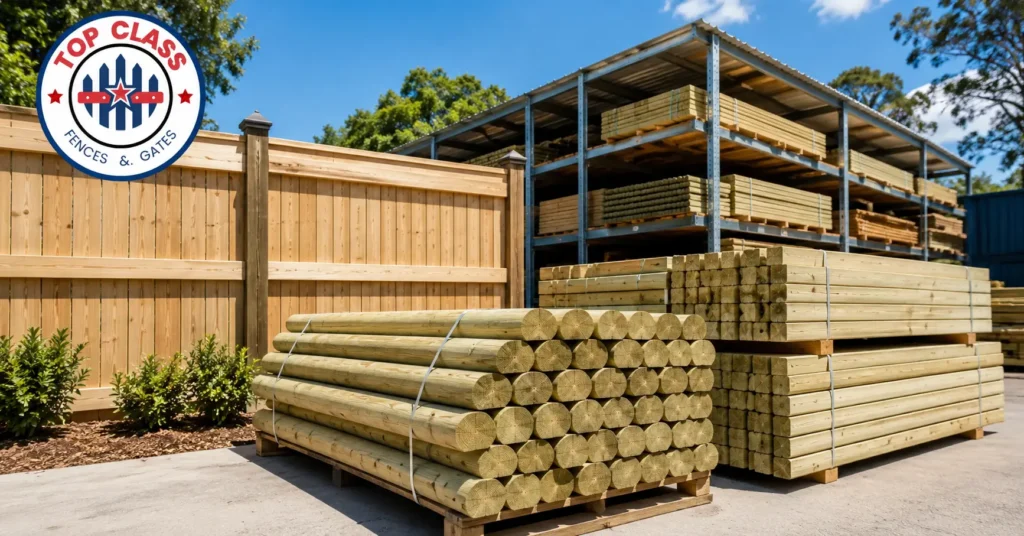
If you’re taking the DIY route, you can significantly reduce costs by purchasing your own materials directly. Browse our full range of timber fencing supplies including treated pine palings, hardwood posts, rails and sleepers — available online with delivery across Queensland.
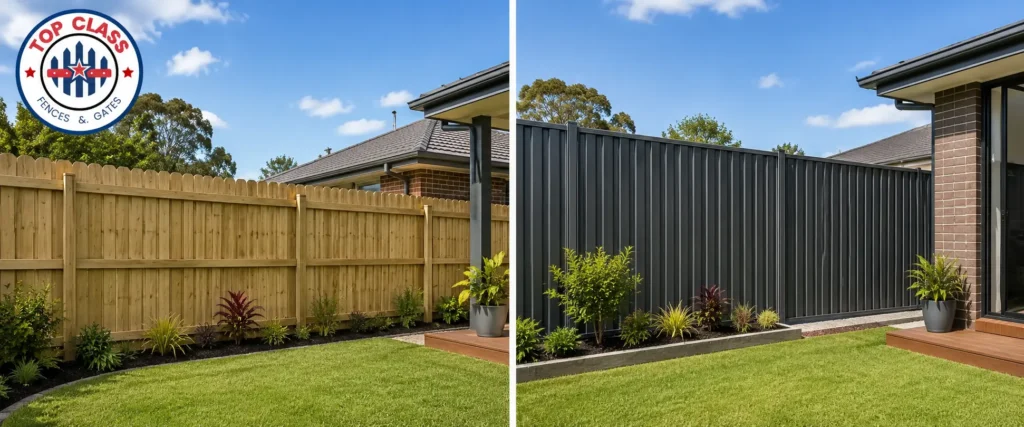
Timber vs Colorbond: Which Is More Cost-Effective?
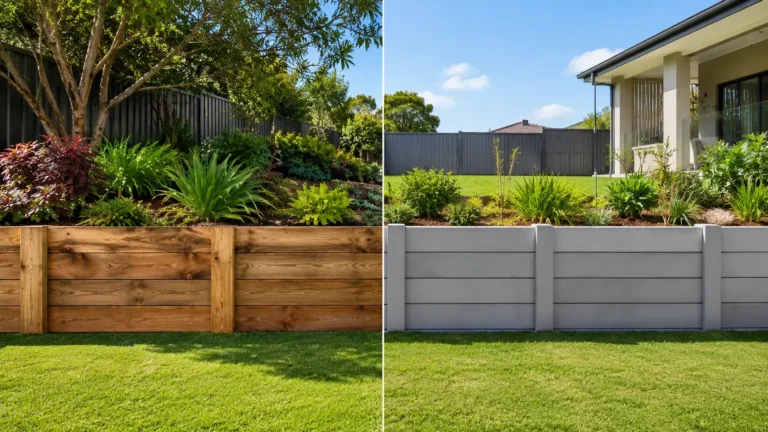
This is one of the most common questions we get. Here’s a quick comparison between timber fencing and our Colorbond fencing range.
| Timber Fencing | Colorbond Fencing | |
|---|---|---|
| Cost per metre (installed) | $75 – $190/m | $85 – $150/m |
| Upfront cost | Generally lower | Similar to timber |
| Maintenance | Requires staining/painting every 3–5 years | Virtually none |
| Lifespan | 20–30 years (with maintenance) | 25–30 years |
| Appearance | Natural, warm, customisable | Modern, clean, colour range |
| Termite risk | Yes (with treated timber, very low) | None |
Timber often wins on aesthetics and initial cost, while Colorbond wins on long-term maintenance. For many Queensland homeowners, the natural look of timber makes it worth the extra upkeep.
How to Reduce Your Timber Fencing Costs
Here are a few practical ways to keep your budget in check:
- Buy materials yourself — purchasing posts, palings and rails directly from a supplier like Top Class Fences and hiring a tradie just for labour can save significantly compared to a full supply-and-install quote.
- Keep the design simple — a straightforward paling fence costs less than a lapped-and-capped or decorative style.
- Get multiple quotes — prices between fencing contractors can vary by 20–30% for the same job.
- Fence in a straight line — corners, angles, and curved sections add to labour costs.
- Check with your neighbour — under Australian dividing fences laws, boundary fence costs are typically shared equally between neighbours. If your neighbour agrees to split costs, your out-of-pocket could halve.
Frequently Asked Questions
Q1. How much does a 30-metre timber fence cost in Australia?
Ans. For a standard 1.8m high treated pine paling fence, expect to pay around $2,250 to $3,600 installed on a flat site. Hardwood fencing over the same run would cost $3,000 to $5,700.
Q2.Is timber fencing cheaper than Colorbond?
Ans. Treated pine paling fencing can be marginally cheaper per metre than Colorbond at the lower end, but hardwood timber can be more expensive. Over the long term, Colorbond typically costs less due to lower maintenance requirements.
Q3. How long does a timber fence last in Queensland?
Ans. A properly built timber fence using H3-treated palings and H4 treated hardwood posts will typically last 20–30 years in Queensland’s climate, provided it’s stained or painted every 3–5 years to protect against moisture and UV exposure.
Q4. Do I need council approval for a timber fence in Queensland?
Ans. In most cases, standard residential boundary fences under 2 metres do not require council approval in Queensland. However, front fences, heritage properties, and fences near waterways may have additional requirements. Check with your local council before starting work.
Ready to Start Your Fence Project?
Whether you’re going DIY or getting a tradie in, Top Class Fences supplies quality timber fencing materials across Brisbane and Queensland. We stock treated pine palings, hardwood posts, fence rails and sleepers — all treated to Australian Standards and available online with delivery to your door. Prefer to pick up and save on labour? Collect supply-only from our North Maclean or Brendale fencing yards on Brisbane’s south and north sides. Get a Free quote.
Shop our timber fencing range →
Or call us on 0415 467 185 for advice on what you’ll need for your project.
Note: Prices are indicative ranges for Australian residential fencing and may vary by region, site conditions, and contractor.
Related guides
Choosing your timber? Read about the best timber for fencing and the benefits of a timber fence.